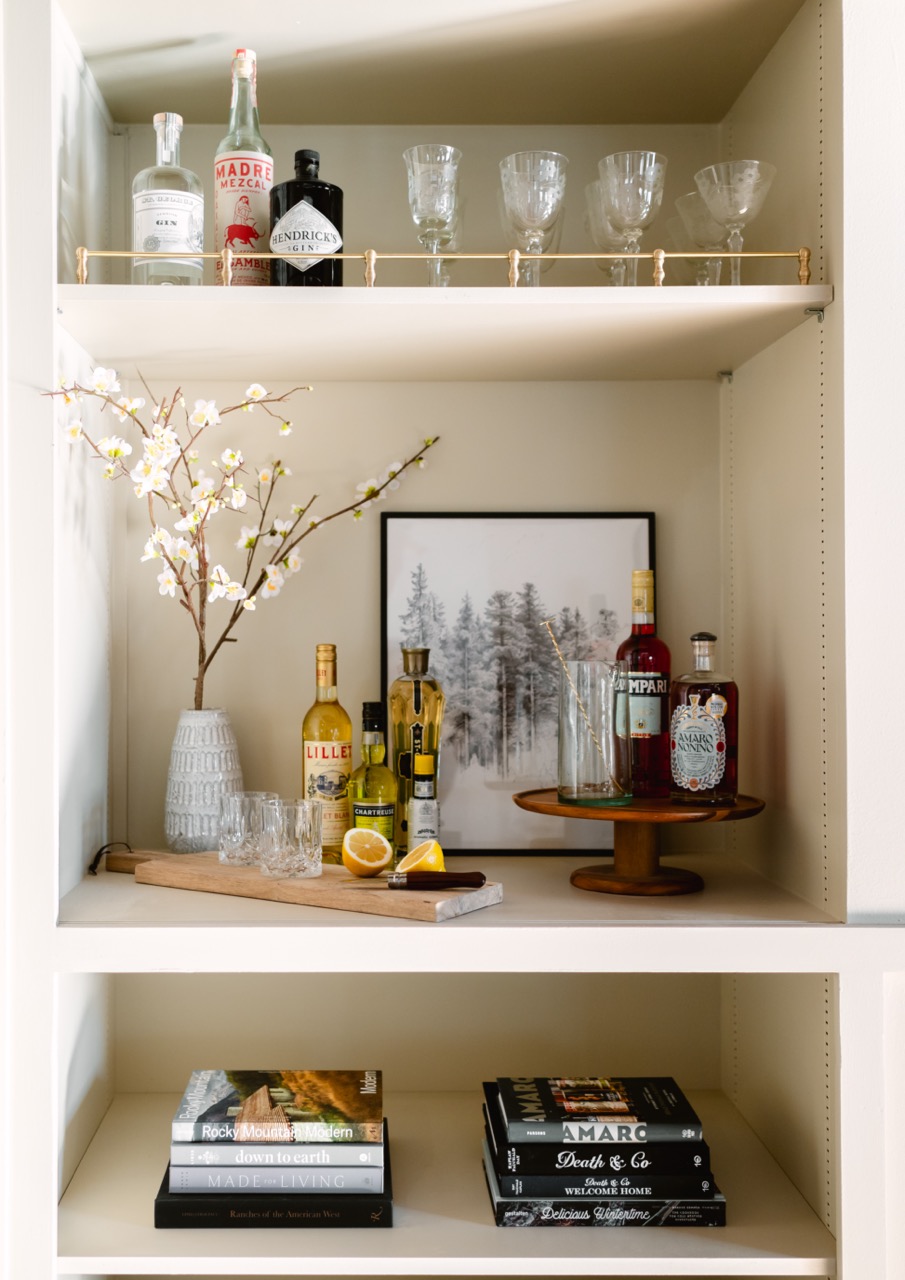
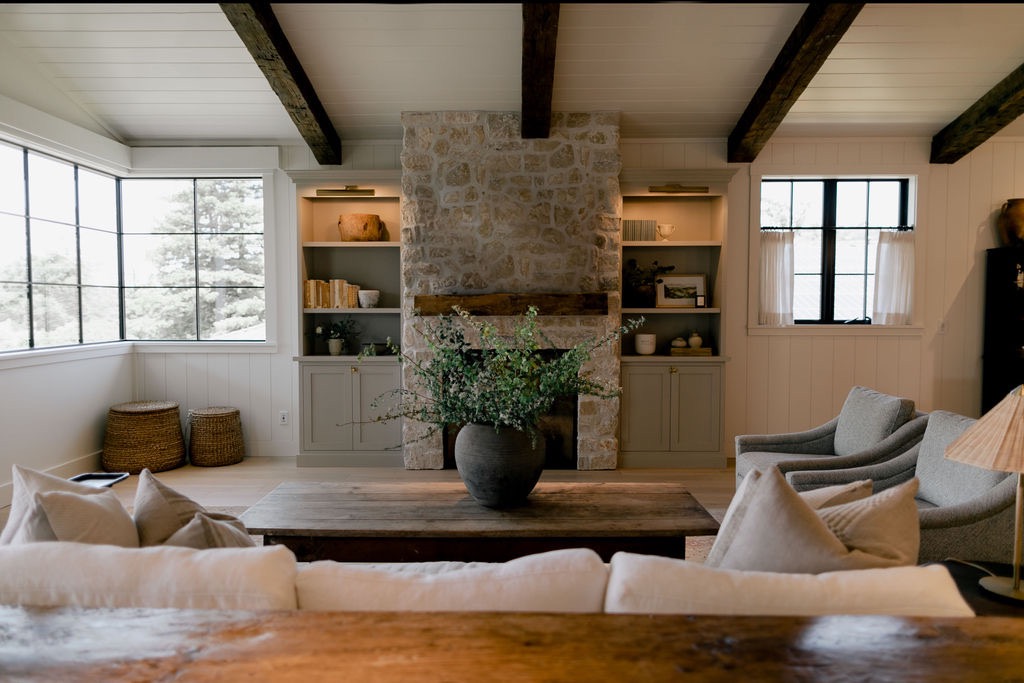
Located in Napa Valley, this farmhouse was designed from the ground up as a contemporary interpretation of wine-country architecture. Clean lines, balanced proportions, and material depth were prioritized early in the planning process, allowing the home to feel settled into its landscape from the outset. It is new construction, but designed with the composure of something that has always belonged there.
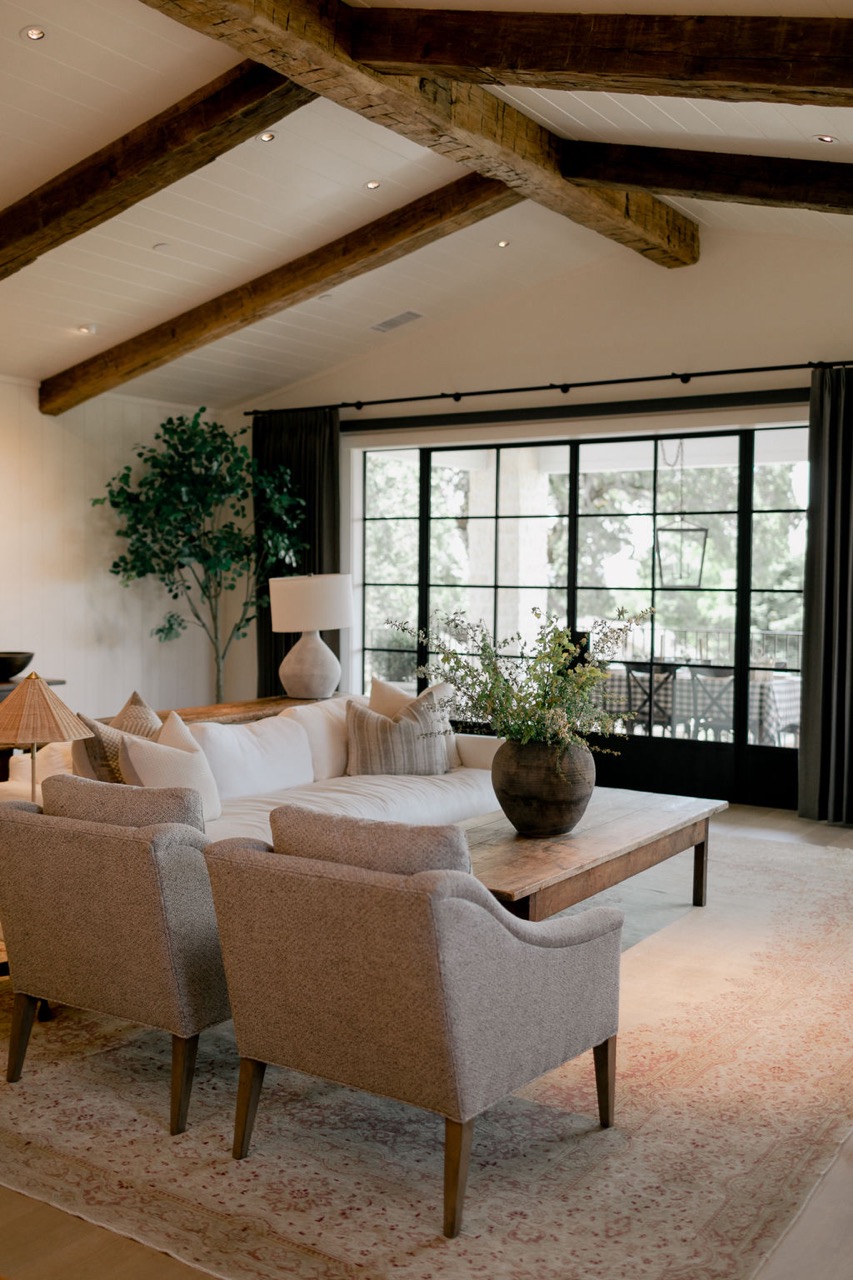
This build began on a site marked by loss—where an older home had burned in the major fires—leaving behind a blank foundation and a chance to start over with intention. With no structure to inherit, every decision had to be made from the ground up: the layout, the circulation, the ceiling heights, the lighting placement, and the way each room would move through the day. Windows were not treated as openings, but as frames—positioned to capture the vast Napa Valley view with precision, pulling the landscape into the house and giving the architecture a clear sense of orientation. The result is a home shaped as much by what happened here before as by what it was designed to become.


The design direction stayed rooted in traditional wine country architecture—relaxed, simple, and inherently hospitable. Rather than over-interpret the farmhouse vernacular, we focused on proportion, material honesty, and warmth. The intention was minimal, but never sparse; restrained, but never cold.
Every decision was made with clarity. The palette was edited carefully, allowing fewer elements to carry more weight. Finishes were selected not for trend, but for their integrity and their ability to reflect our client’s history and sensibility. The home feels composed because it is deliberate—quiet architecture elevated by thoughtful detail. The materials tell the story; the structure simply holds it.
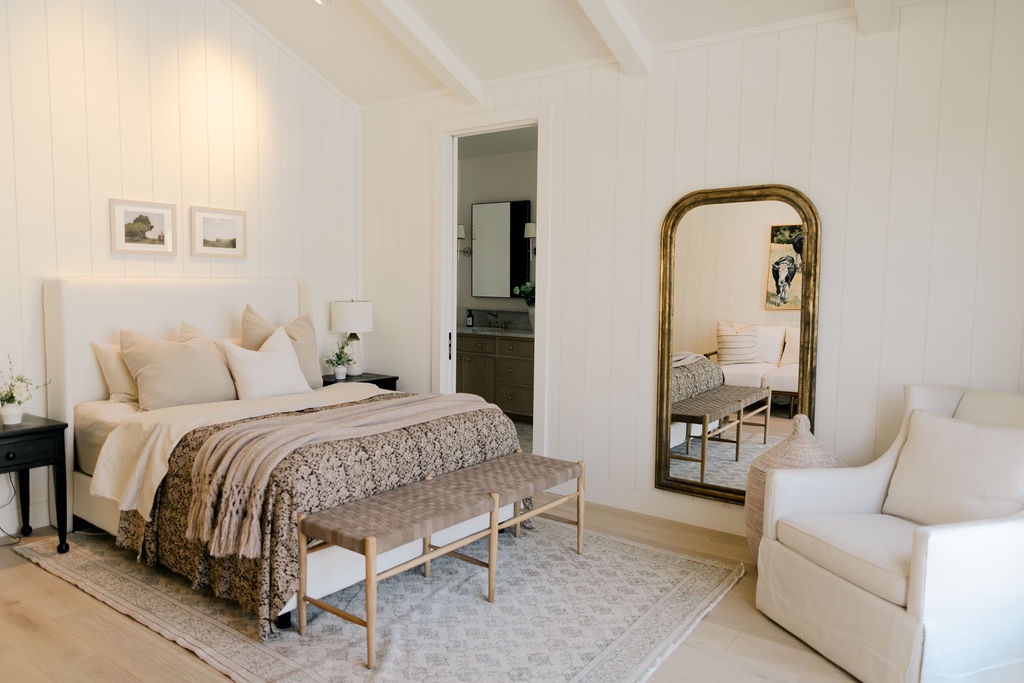
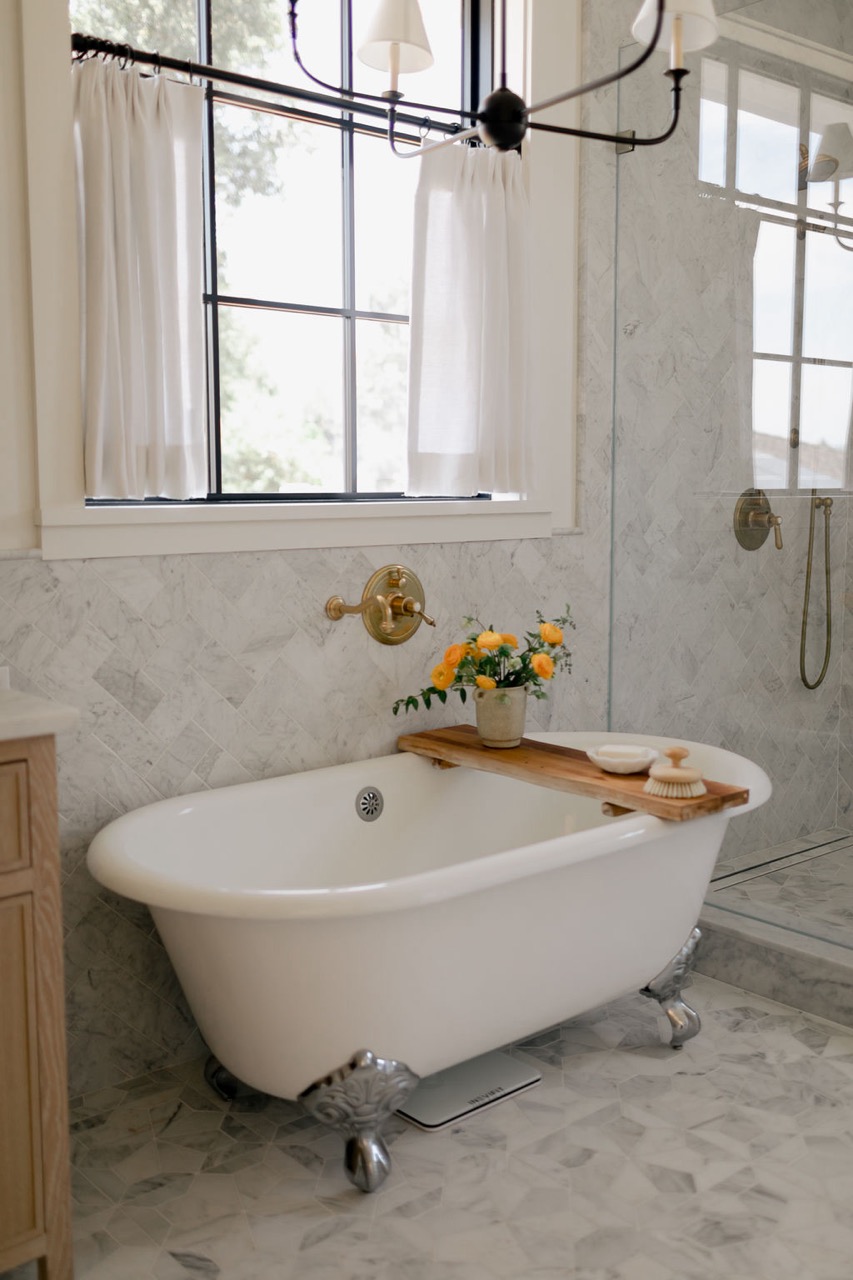
The material palette was built around warmth and longevity. Natural wood tones anchor the interiors, introducing texture and depth without ornament. Walls were kept soft and neutral, allowing light to move easily throughout the home while maintaining a sense of calm restraint. The finishes are quiet, but layered—subtle variation in tone rather than sharp contrast.
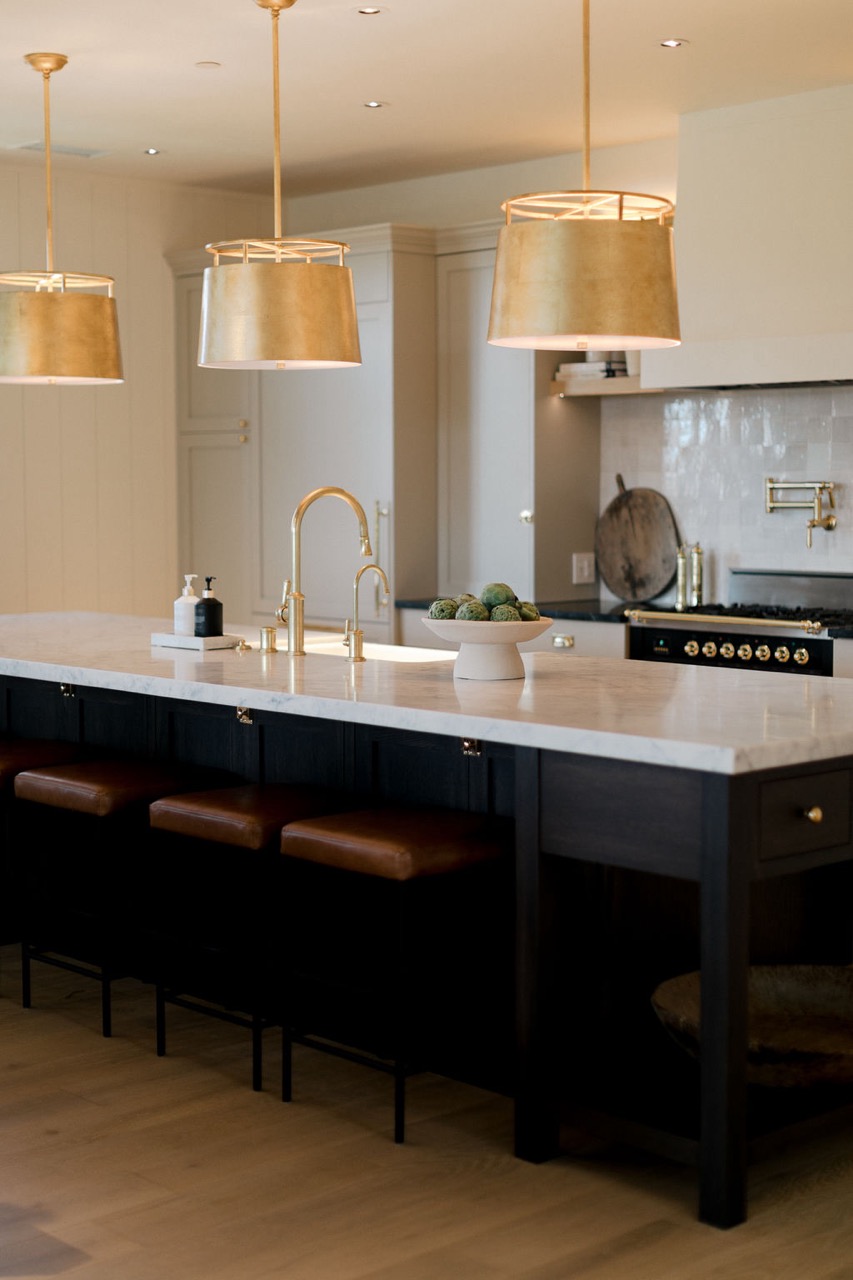
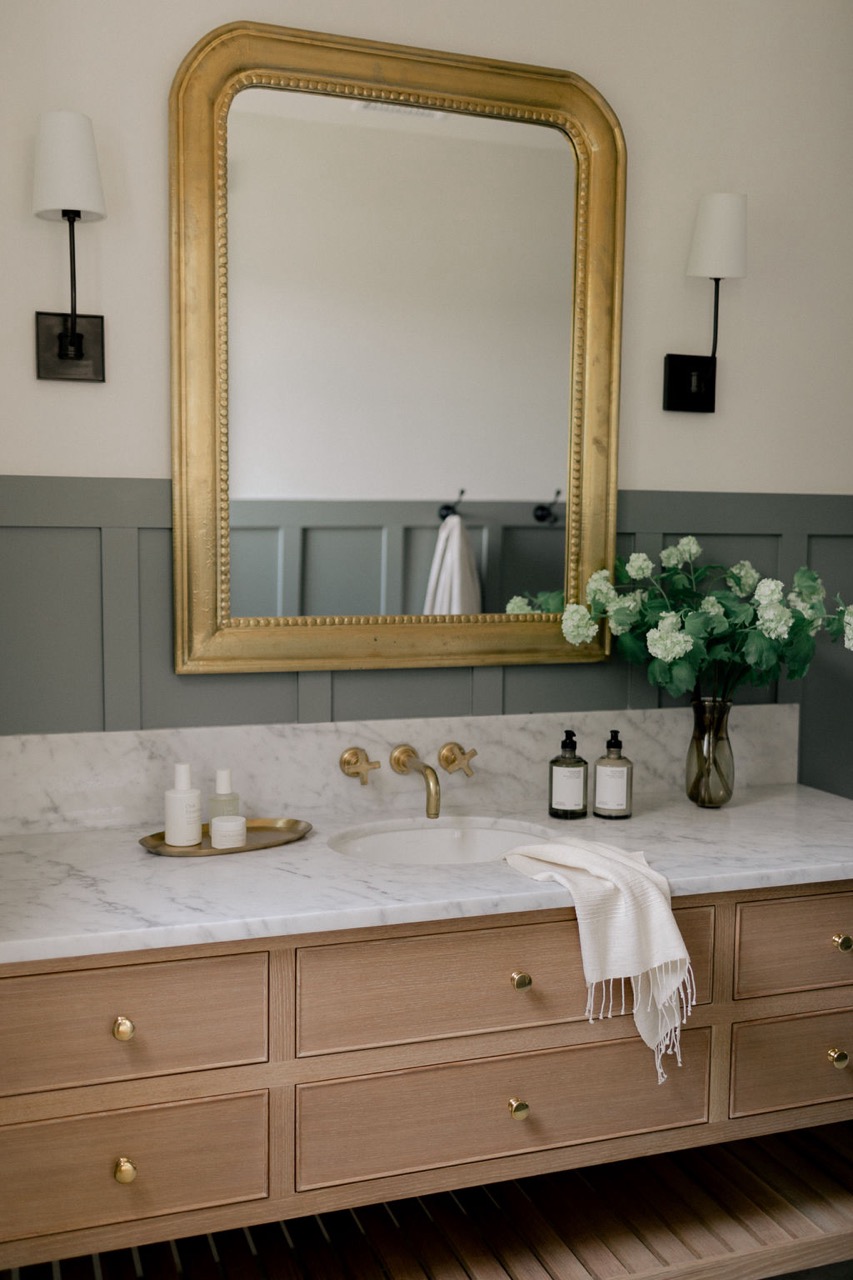
Stone and metal were selected for integrity rather than shine. Honed surfaces, warm brass details, and tactile textiles add dimension without disrupting the architectural clarity. Cabinetry was designed to feel integrated rather than applied, reinforcing the idea that the structure itself carries the aesthetic weight.
Throughout the home, materials were chosen not to compete, but to complement one another—wood, stone, and metal working together in balance. The result is a palette that feels relaxed and hospitable, yet elevated: unmistakably Napa, but free of cliché.
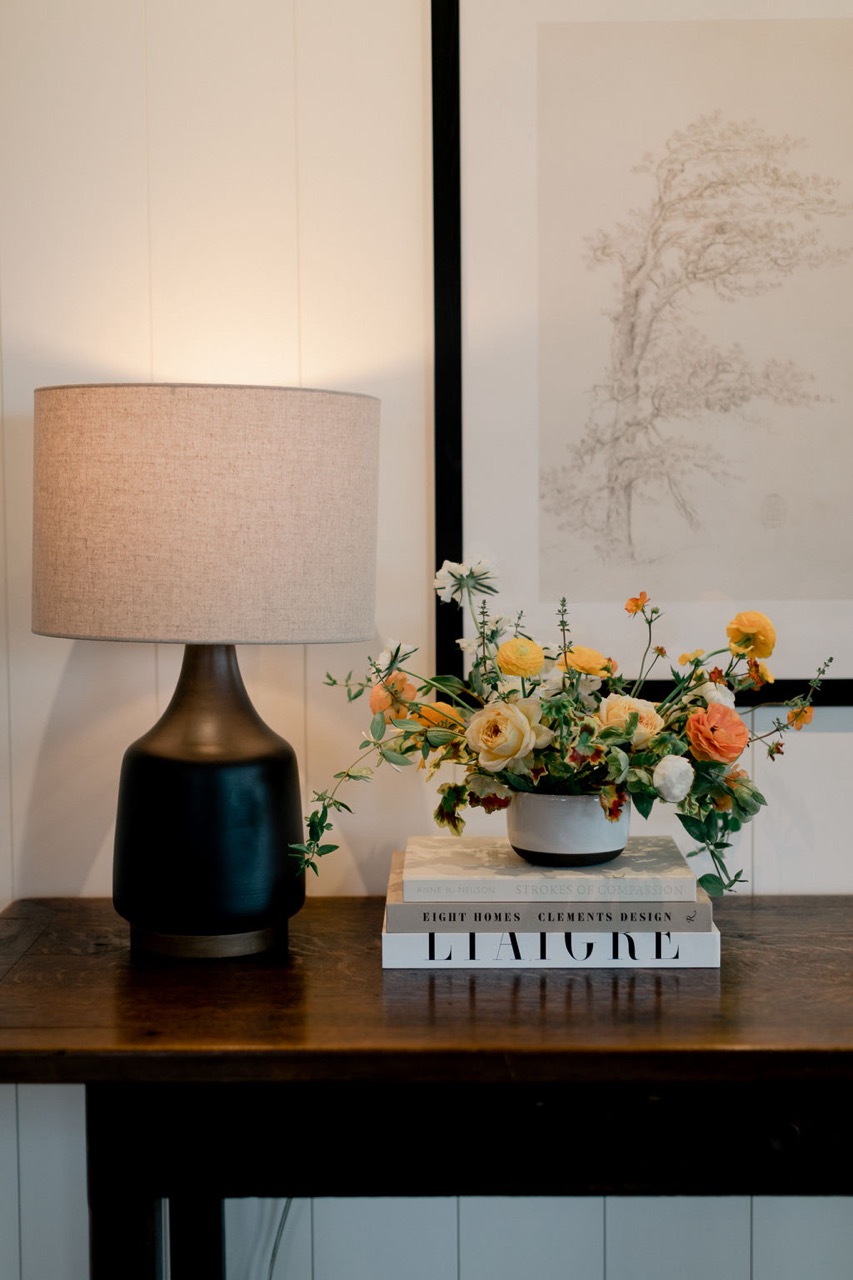
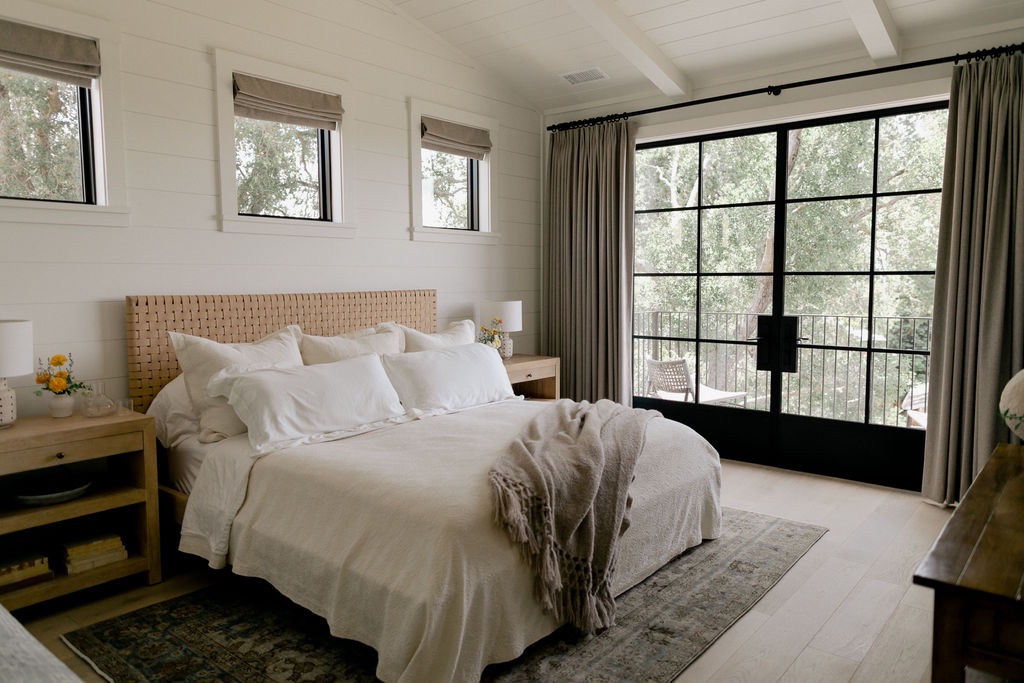
Now, the farmhouse serves as a quiet center for the family—a place designed as much for gathering as for retreat. The openness of the layout allows conversations to move easily from kitchen to dining to living, while the surrounding valley views create a constant sense of calm. Mornings begin slowly with light filtering across wood floors while coffee is enjoyed before the hearth; evenings settle into the soft glow of the setting sun through the west facing windows and shared meals linger into the night.
The architecture recedes just enough to let life take over. It is not a house that demands attention, but one that supports it—hosting celebrations, grandchildren sleepovers, and the everyday rhythms in between. Designed from the ground up with intention, it has become less a project and more a foundation: a peaceful place for the family to return to, again and again.
We renovate one property at a time — preserving what matters, refining what doesn’t, and designing for how homes are actually lived.
— Deco Vaquero
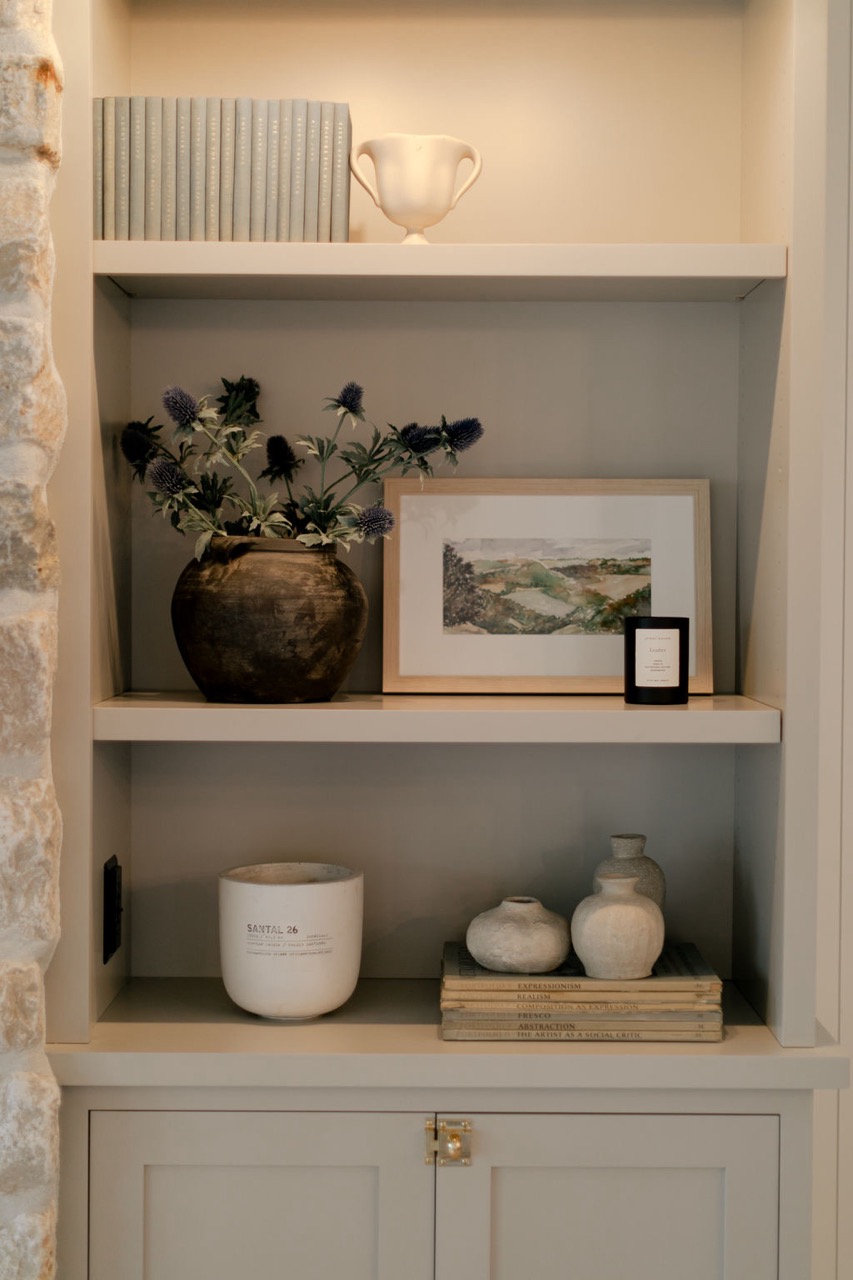
Every piece was chosen with intention — layered textures, aged brass, and restraint. Explore the full edit below.
View the Collection →