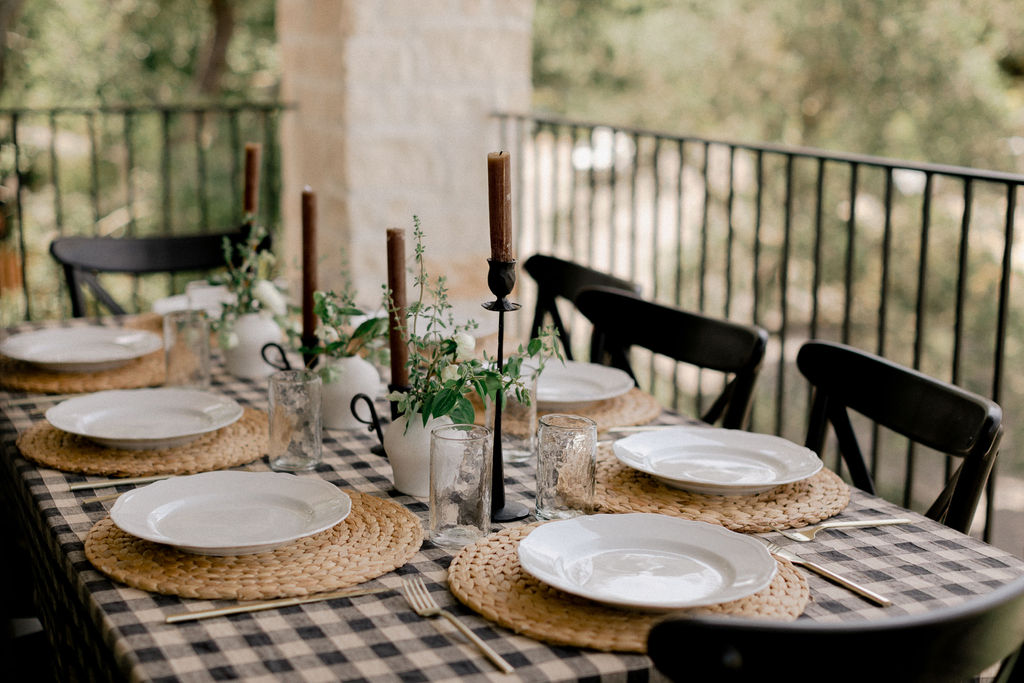
Across Colorado’s mountain towns and cities alike, the weekend dinner party remains one of the simplest ways to gather friends and slow the rhythm of the week. Unlike holidays or large celebrations, these evenings rarely require a reason. A few guests, a thoughtfully set table, and something warm from the kitchen is often enough.
The best dinner parties rarely feel elaborate. Instead, they feel comfortable, intentional, and slightly unstructured—designed less around performance and more around time spent together.
Hosting well is less about complexity and more about creating the right environment, which begins the moment they arrive. And the first rule of a proper dinner party?
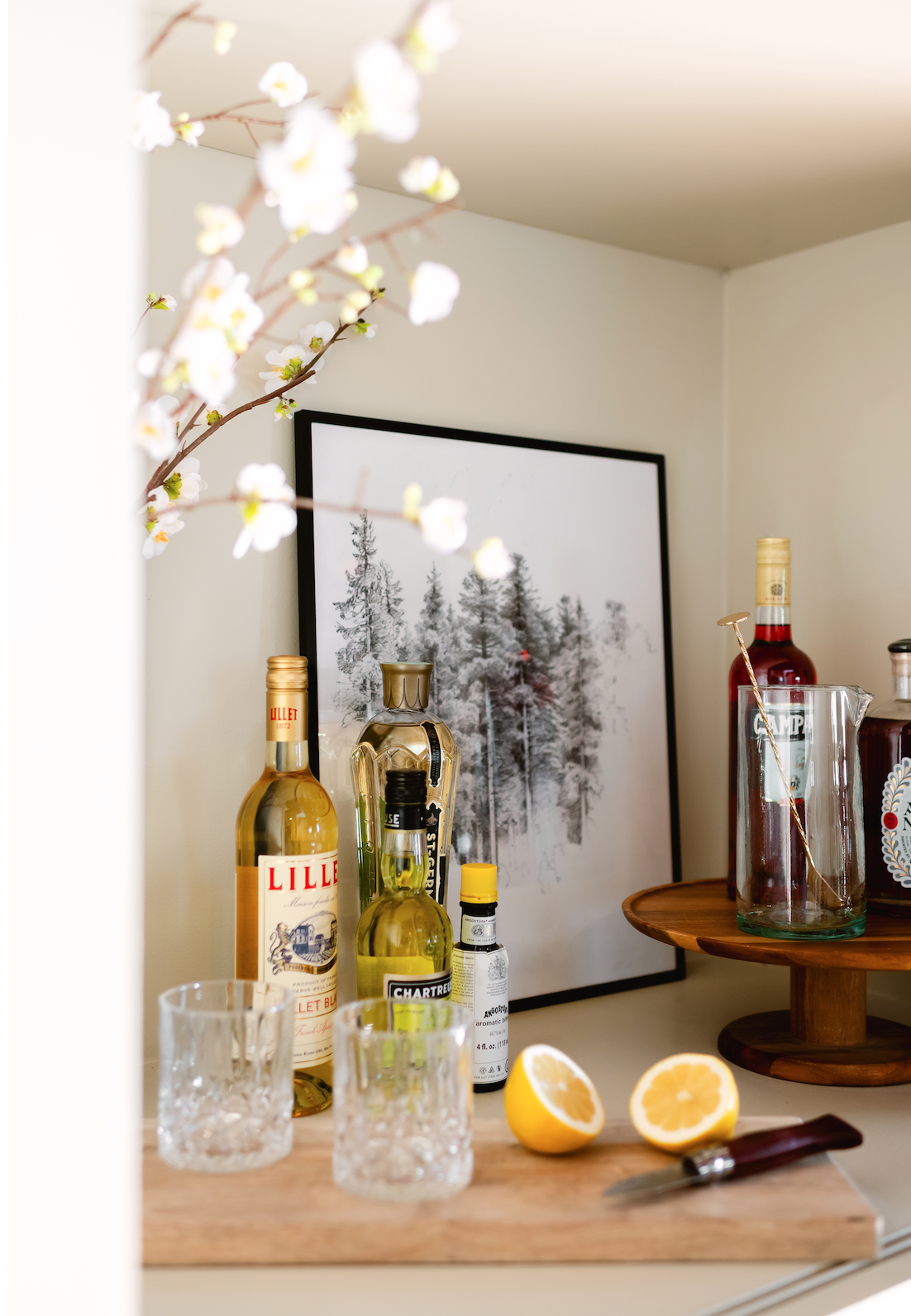
Each guest should have a welcome drink in their hand within the first moments of walking through the door.
Dinner party menus work best when they allow the host to stay present. Complicated dishes that require constant attention can interrupt the rhythm of the evening.
Instead, focus on dishes that can be prepared ahead or finished simply once guests arrive.
Roasted vegetables, simple pastas, grilled meats, and large salads are reliable options. Shared platters placed at the center of the table also encourage conversation and movement, keeping the atmosphere relaxed rather than formal.
The goal isn’t to impress guests with complexity—it’s to create a meal that supports the evening rather than dominating it.


Lighting may be the most overlooked element of a successful dinner party.
Soft lighting instantly slows the room. Candles are often enough to transform the table, especially when combined with a few lamps in the surrounding space. Overhead lighting tends to flatten the room, while layered lighting adds warmth and depth.
As the evening moves forward and natural light disappears, the room should feel increasingly intimate.
It’s often this subtle shift that encourages guests to linger longer than expected.
Good dinner parties unfold slowly. There is no reason to rush through courses or clear the table immediately after eating.
Allow space between moments—time for conversation, another glass of wine, or simply sitting comfortably at the table. These pauses create the relaxed atmosphere people remember long after the evening ends.
Hosting is less about structure and more about rhythm.


The best sign of a successful dinner party is that no one seems eager to leave.
As plates are cleared and candles burn lower, conversations deepen and the room grows quieter. Guests drift between the table and the kitchen, sometimes helping with small tasks, sometimes simply continuing the evening.
These final hours are often the most memorable.
A good dinner party doesn’t end abruptly. It slowly fades as the night grows late, leaving behind the quiet satisfaction of time spent well.
The most successful dinner party menus are the ones that allow the host to stay present. These dishes can largely be prepared ahead of time, leaving only a few simple steps once guests arrive. The result is a meal that feels generous and relaxed rather than complicated.
Creamy goat cheese whipped until light and topped with honey, pistachios, and herbs — an effortless appetizer that can be prepared ahead.
Serves: 6–8
Make ahead: Can be prepared 6 hours in advance and refrigerated.
Bright, crisp, and slightly bitter — a perfect contrast to the richness of cedar plank salmon.
Serves: 6
Dressing
Sweet, smoky, and incredibly simple — perfect for serving a crowd.
Serves: 6
A rich French-style chocolate custard that can be prepared entirely in advance.
Serves: 6
Chill at least 3 hours before serving.
Finish with flaky sea salt.