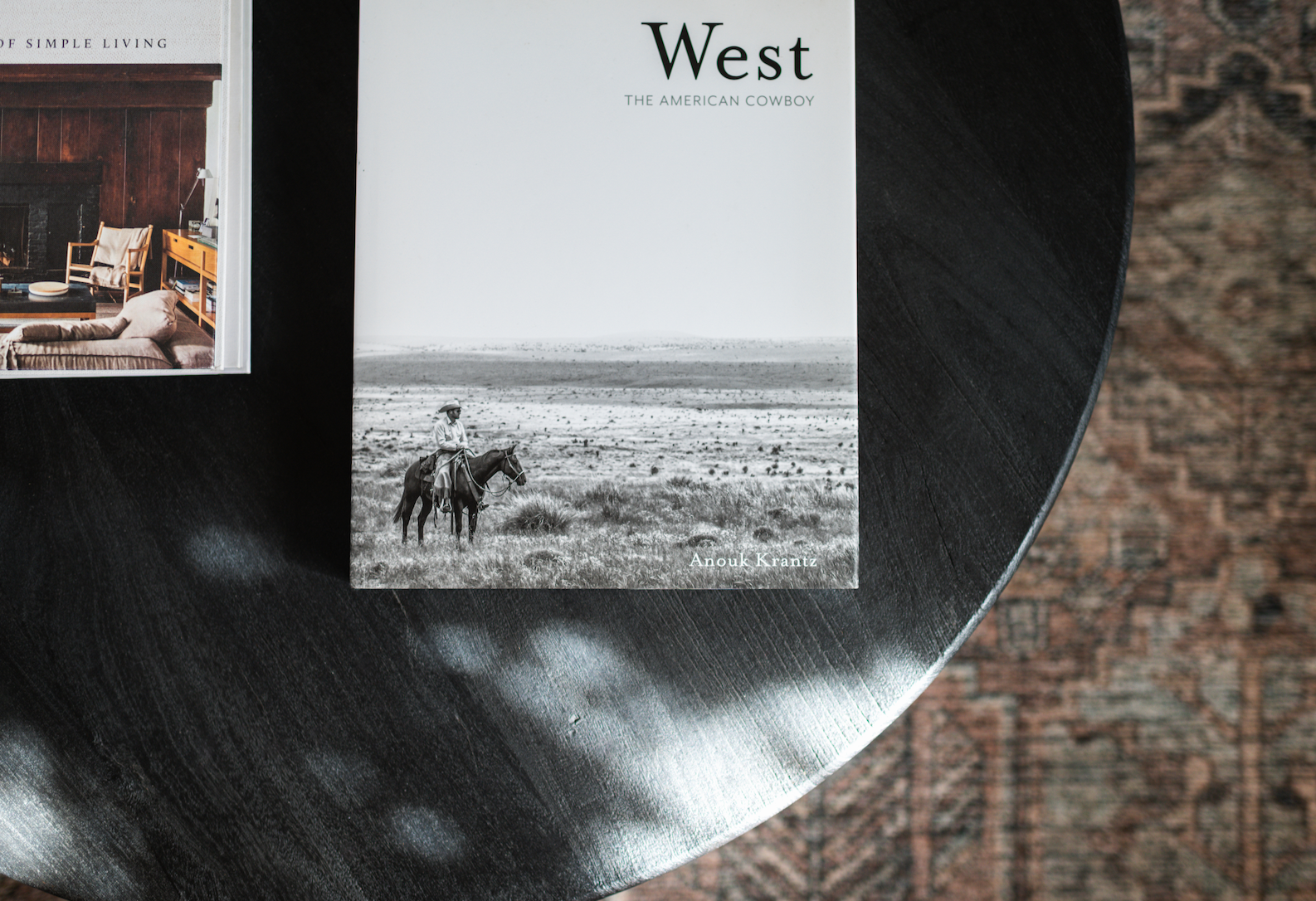

Across the American West, a quiet shift has been happening in mountain design.
For decades, Western interiors followed a familiar formula: heavy log construction, antler chandeliers, and rustic décor layered generously throughout the house. These spaces often leaned hard into the idea of the mountain lodge.
But a new design language has begun to emerge in mountain towns across Colorado — from Evergreen and Vail to Jackson and Big Sky.
It still draws deeply from Western heritage, but it does so with a lighter hand.
The result is what many designers now refer to as the New Western aesthetic: interiors that feel rooted in the landscape while remaining refined, restrained, and quietly modern.
The West has always been defined by its landscapes.
Pine forests, granite outcrops, dry grasses, and wide alpine skies shape not only how homes are built, but how they feel from the inside.
The New Western aesthetic begins with the understanding that the house is not the main character. The landscape is.
Rather than competing with the view, the architecture and interiors act as a frame for it. Materials and colors echo what already exists outside — stone, wood, earth, and weathered metals.
This connection to the land is what gives Western interiors their sense of authenticity.
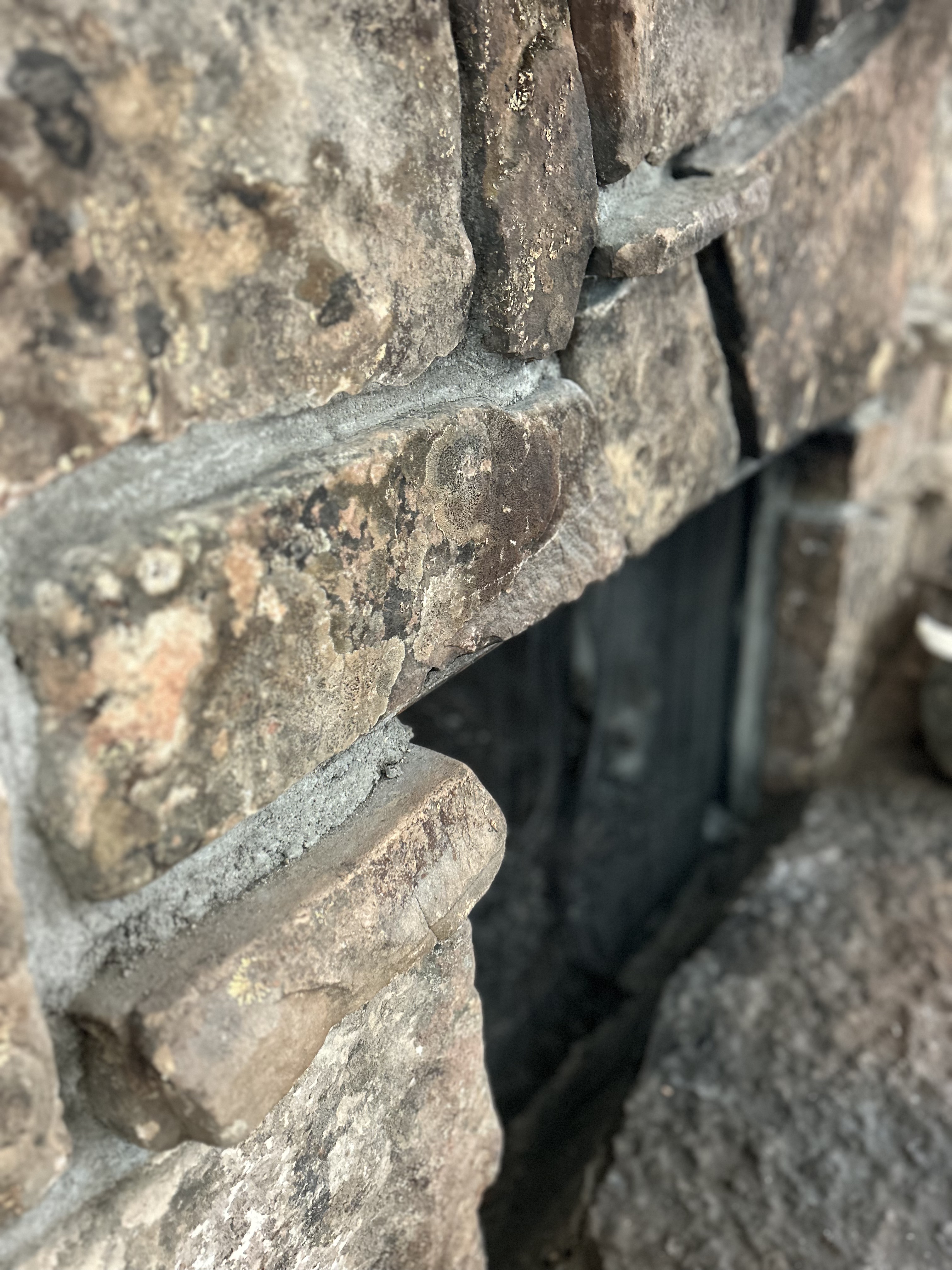
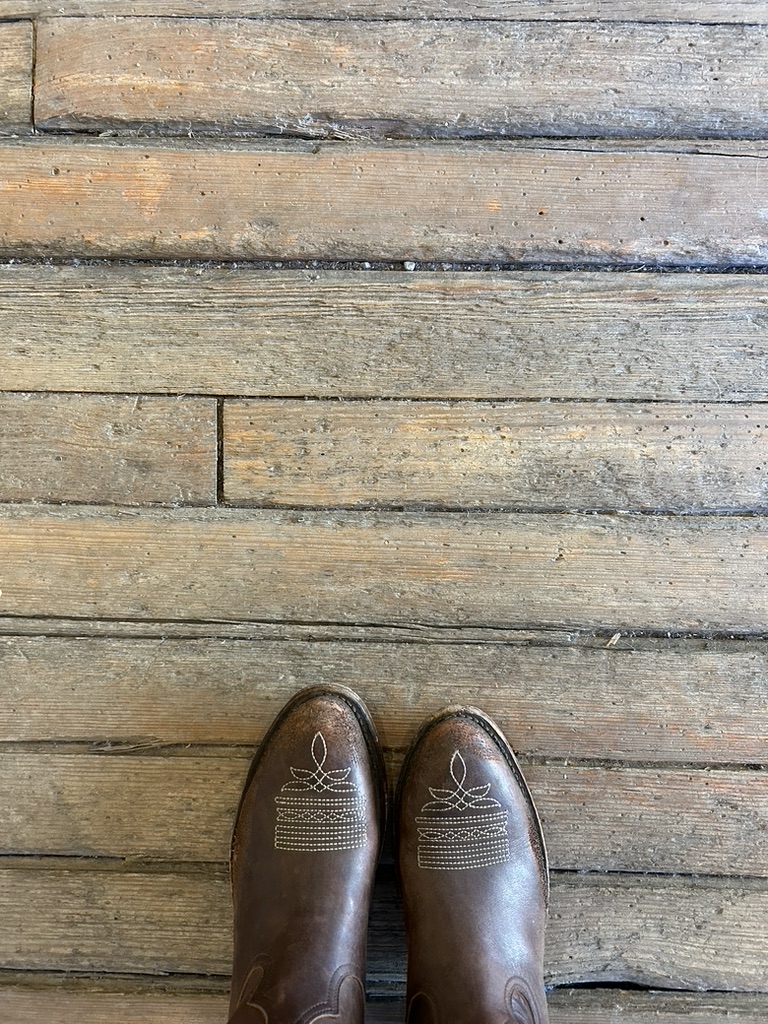
One of the defining characteristics of modern Western design is its commitment to natural materials.
Stone, dark wood, aged leather, wool, and metal finishes form the foundation of the interior palette. These materials don’t try to imitate the landscape — they belong to it.
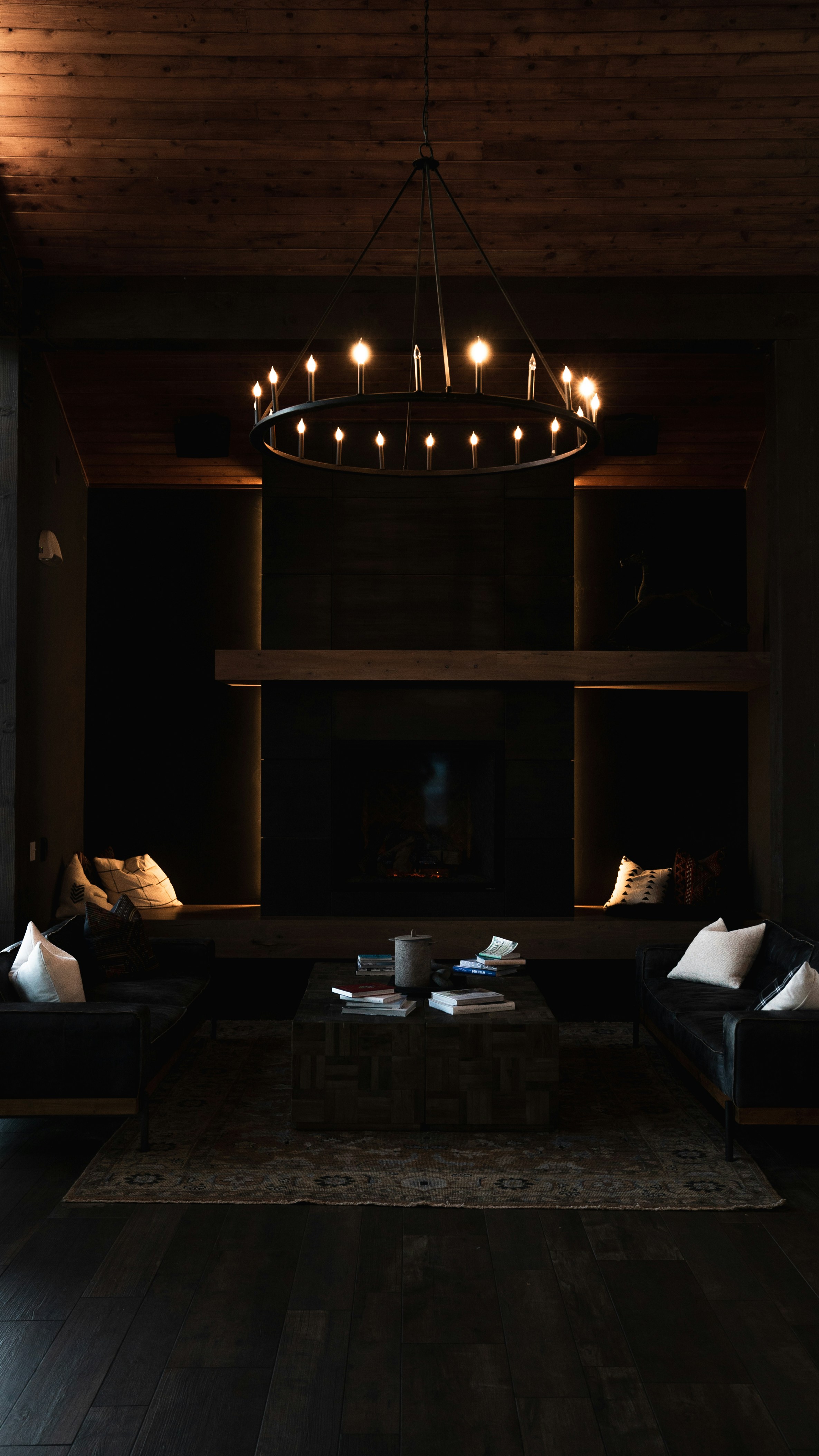
Stone fireplaces often become the visual anchor of the home, grounding the architecture and creating a natural gathering point.
Dark-stained wood beams and wide plank floors bring warmth and depth to rooms that might otherwise feel stark against the brightness of mountain light.
Unlacquered brass and burnished metal fixtures introduce subtle contrast while developing a soft patina over time.
Together, these materials create interiors that feel layered, tactile, and enduring.
Many modern Western homes embrace darker materials than the bright white interiors that dominate contemporary design elsewhere.
Dark walnut cabinetry, espresso-stained beams, and tobacco-colored leather furniture create a sense of weight that balances the openness of mountain landscapes.
These tones also echo the colors found naturally in the West — weathered timber, pine bark, dark soil, and aged fence posts.
Rather than feeling heavy, these darker materials often make rooms feel more grounded and intimate, especially during long winter evenings when the mountains settle into quiet.
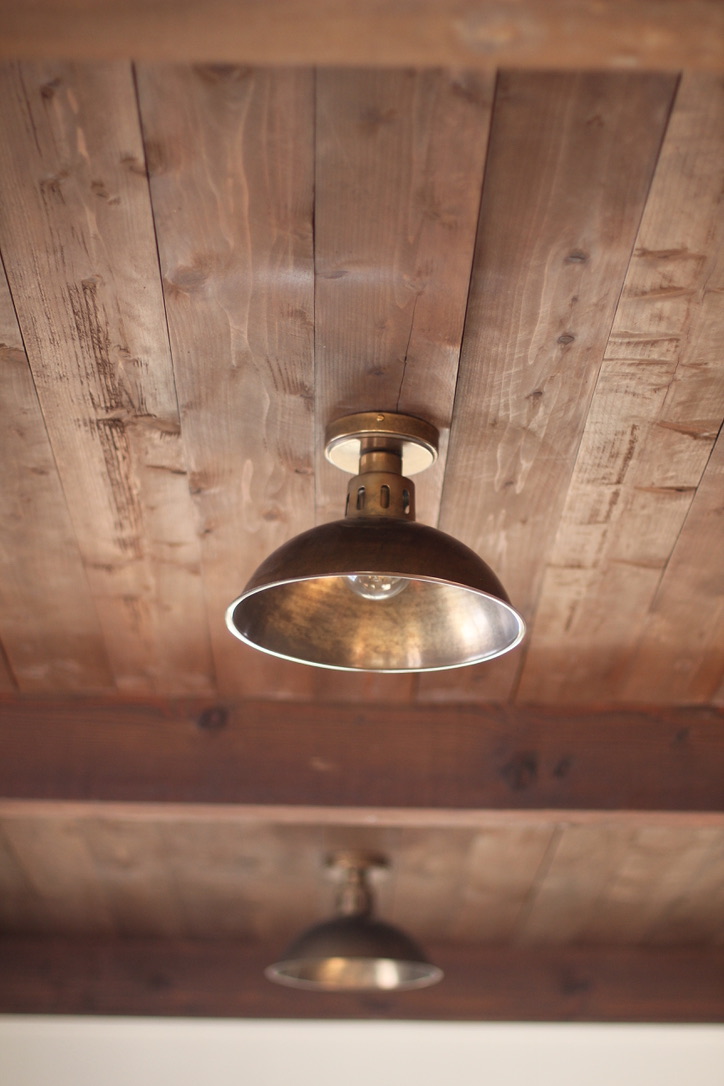

Despite its rustic roots, the New Western aesthetic avoids excess.
Where older lodge-style homes might have filled every surface with Western-themed décor, modern mountain interiors rely on restraint.
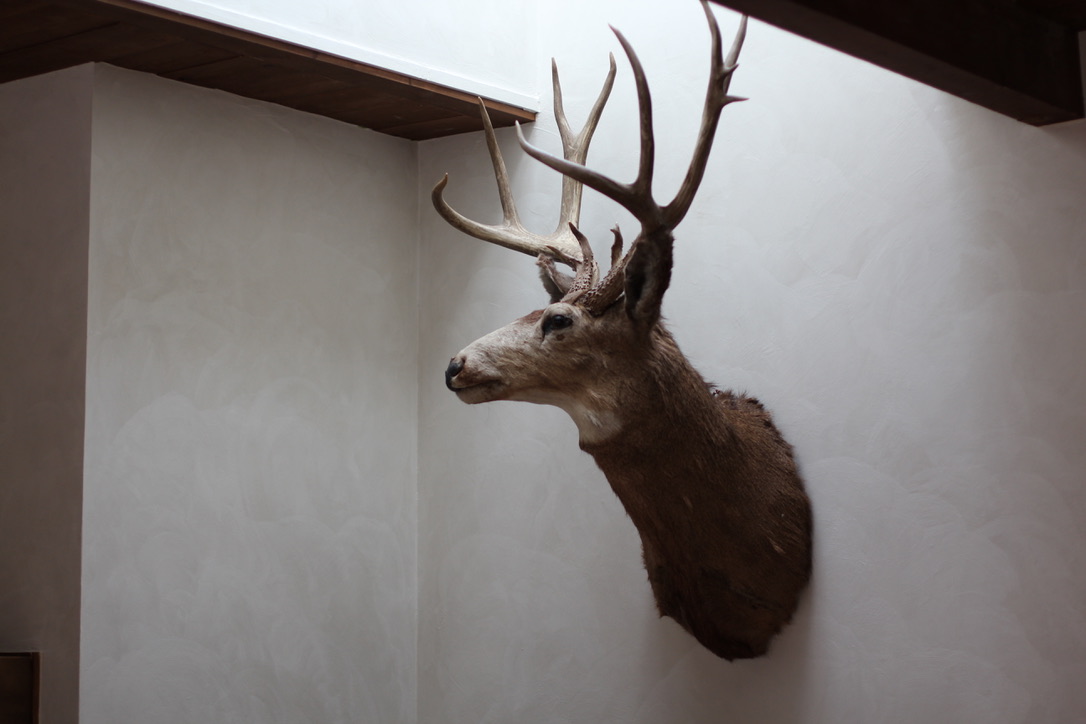
A single antique saddle, a landscape oil painting, or a vintage Navajo rug may be enough to suggest Western heritage without overwhelming the space.
This balance between rustic elements and simplicity is what gives the aesthetic its modern character.
It allows the architecture and materials to speak for themselves.
Western interiors feel most convincing when they appear to have been assembled gradually over time.
Vintage furniture, antique lighting, and collected art introduce a sense of history that brand-new décor rarely achieves.
These pieces don’t have to be overtly Western. In fact, many of the most compelling mountain homes mix ranch elements with European antiques, contemporary art, and understated modern furniture.
The result is an interior that feels layered rather than themed.
It suggests a life lived in the mountains rather than a design style applied to them.
Ultimately, the New Western aesthetic succeeds because it understands something fundamental about mountain living.
The mountains themselves are already dramatic. They don’t need decoration.
When interiors remain calm, material-driven, and rooted in the landscape, the home begins to feel like part of its surroundings rather than separate from them.
Large windows frame the ridgeline. A stone fireplace reflects the granite outside. Dark wood beams echo the surrounding forest.
The architecture becomes a quiet extension of the land.
And in the modern mountain home, that connection to the landscape is what defines the new West.
— Deco Vaquero