
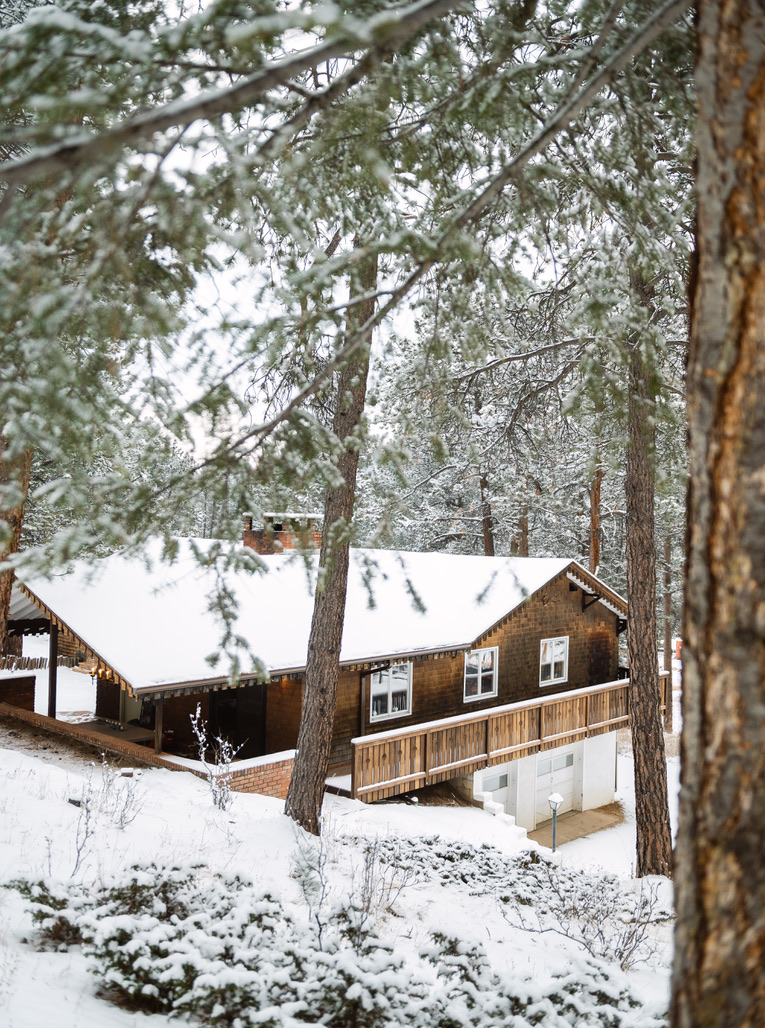
People imagine morning light over the ridgeline, snow falling outside tall windows, and evenings around a fireplace while the forest settles into quiet. Colorado’s mountain towns — from Evergreen to Vail to Buena Vista — offer landscapes that naturally inspire that kind of thinking.
But the reality of designing a mountain home is a little more complicated.
The terrain, weather, light, and isolation all introduce challenges that suburban homes rarely face. And over time, certain design mistakes show up again and again in mountain construction.
Most of them aren’t dramatic failures. They’re smaller decisions made early in the design process that quietly affect how a home lives for decades.
One of the most common mistakes happens before construction even begins.
Many homes are designed using a standard architectural layout and then placed onto a mountain lot afterward. But mountain properties rarely behave like flat suburban parcels.
Slope, rock formations, tree lines, and sun exposure all shape how a house should sit on the land.
When the architecture grows out of the landscape — stepping with the terrain rather than fighting it — the home feels like it belongs there. When it doesn’t, the structure can feel strangely imposed on the site.
In mountain architecture, the land should always lead.

Large windows are one of the defining features of mountain homes. They bring the outdoors in and allow the landscape to shape the interior experience.
But more windows doesn’t always mean better design.
Homes that place glass indiscriminately often struggle with glare, overheating, and loss of privacy. West-facing glass walls can turn living rooms into greenhouses in the afternoon, while bedrooms may end up exposed to neighboring homes or roads.
The best mountain homes place windows strategically — capturing views while still controlling light, temperature, and privacy.
Mountain weather can be both beautiful and unforgiving.
Snow loads, freeze–thaw cycles, and strong winds put constant pressure on a building’s exterior. Yet many homes rely on materials better suited to milder climates.
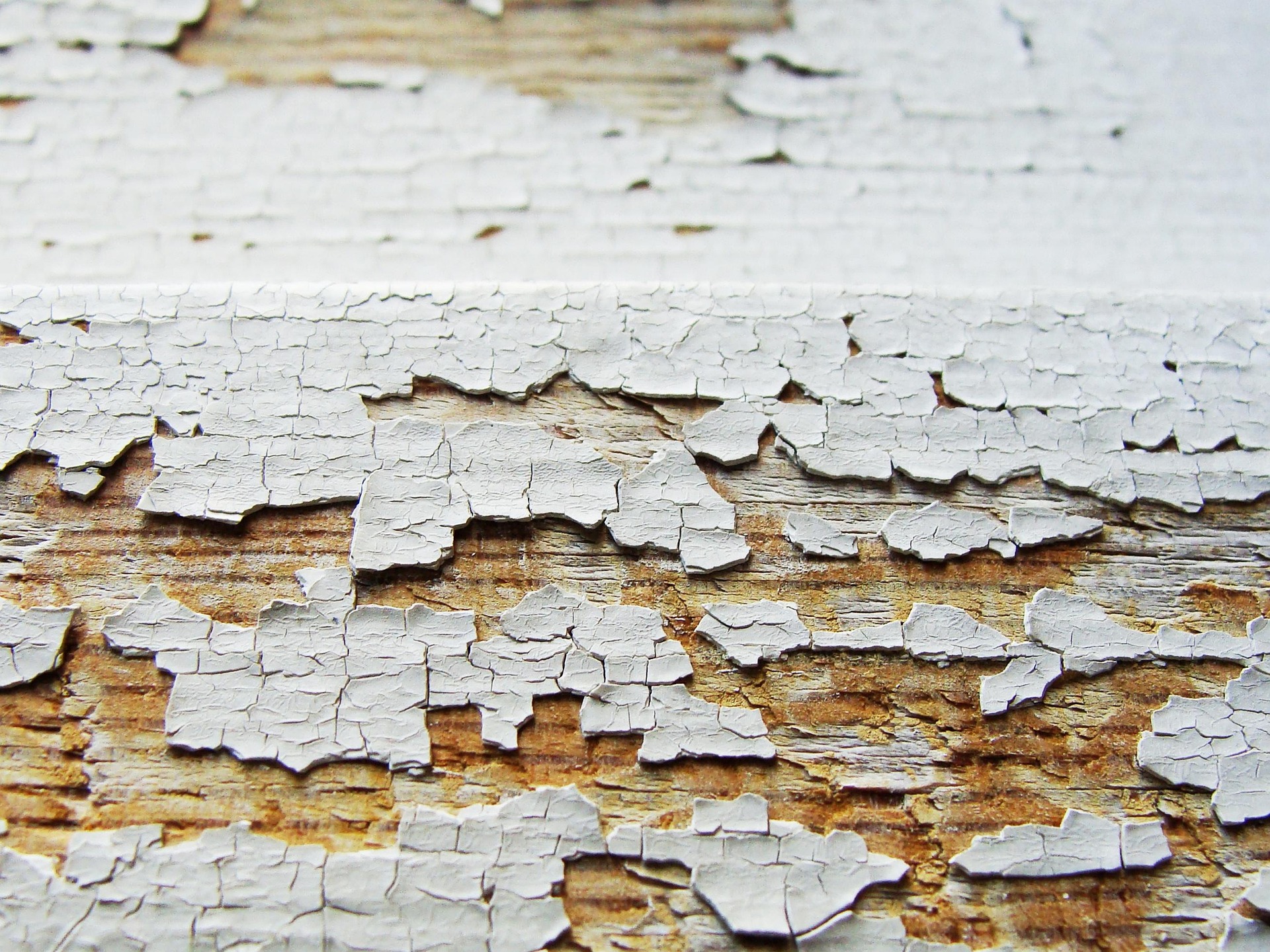
Over time, poorly chosen finishes begin to show their weaknesses. Painted exterior wood can peel quickly. Some composite materials warp or discolor under intense alpine sun.
Durability matters more in the mountains than in many other environments. Materials should be chosen not just for appearance but for how they age in harsh conditions.

Mountain homes often emphasize dramatic architecture — vaulted ceilings, large great rooms, and expansive windows.
While these spaces can be impressive, they sometimes lack something equally important: comfort.
Rooms that are too large can feel strangely empty unless they are carefully designed with smaller zones inside them. Seating groups, fireplaces, built-in shelving, and layered lighting help create areas where people naturally gather.
Even in large mountain homes, the most memorable spaces are often the smaller, more intimate ones.
It’s easy to assume that mountain homes should lean heavily into rustic design.
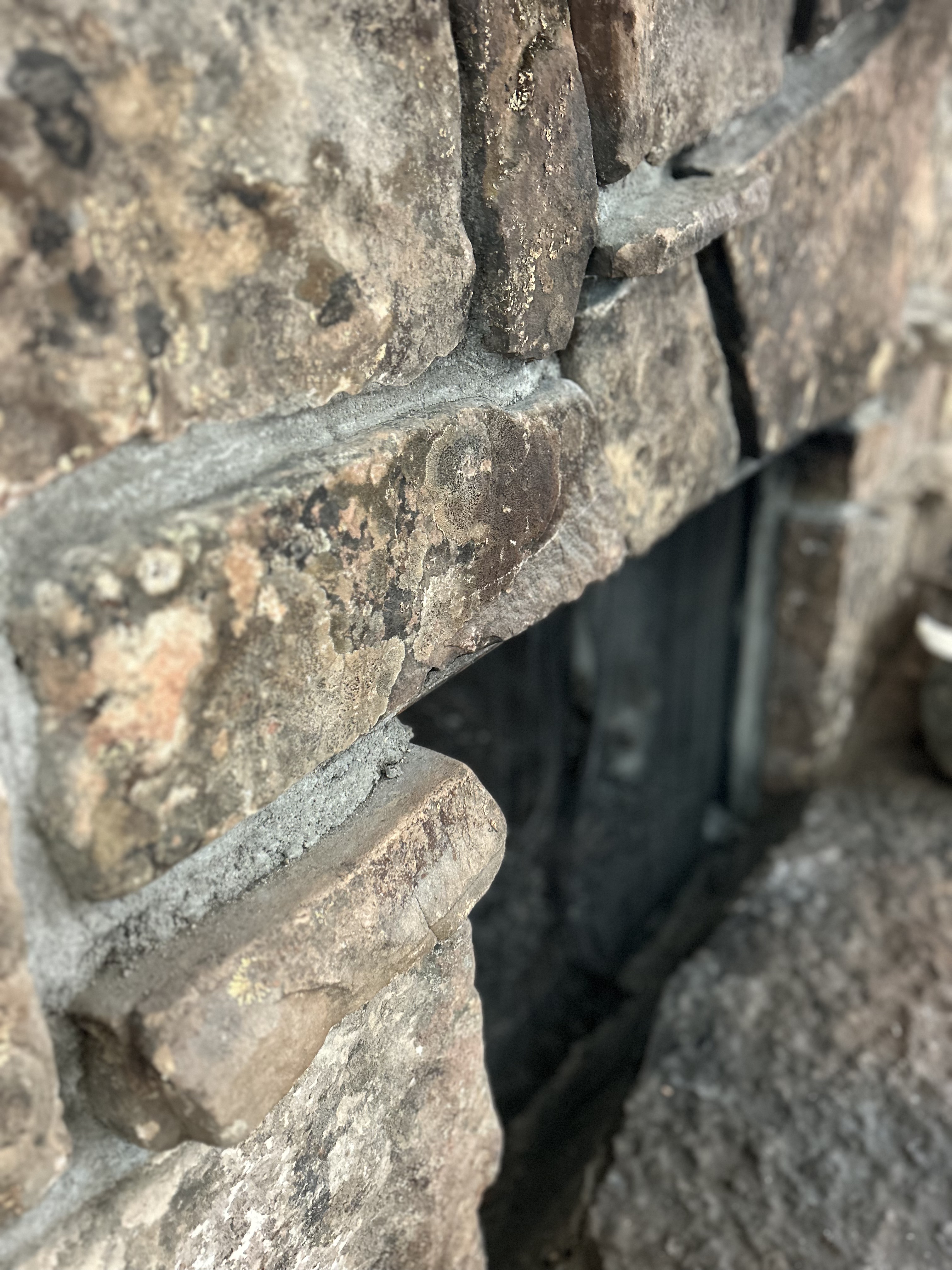
Log beams, antler chandeliers, reclaimed barnwood, and heavy stone fireplaces have become visual shorthand for mountain living. But when too many of these elements appear together, interiors can start to feel theatrical.
The most successful mountain homes usually balance rustic materials with quieter, more refined ones. A stone fireplace might sit beside simple plaster walls. A reclaimed beam ceiling might pair with understated modern lighting.
Contrast keeps the design from becoming a caricature.

Some mountain homes are designed almost entirely for short visits.
Large entertaining spaces dominate the floor plan while everyday functions — storage, mudrooms, laundry, and practical circulation — receive far less attention.
But mountain living tends to involve gear: skis, boots, fishing equipment, hiking packs, and winter layers.
Homes that function well in the mountains almost always include thoughtful entry spaces where outdoor life can transition comfortably into indoor living.
Without them, even beautiful homes can feel impractical.
Mountain homes often age more gracefully than urban homes because their surroundings remain relatively timeless.
Forests, rock formations, and alpine light change slowly over decades. Houses that mirror that permanence tend to age well alongside them.
Homes designed around short-term trends — overly specific color palettes, novelty materials, or fashionable fixtures — can feel dated surprisingly quickly.
The most enduring mountain interiors rely on a simpler foundation: natural materials, restrained color palettes, and architecture that feels rooted in the landscape.
In the mountains, longevity is often the most beautiful design choice of all.
— Deco Vaquero