

The terrain, weather, light, and isolation all introduce challenges that suburban homes rarely face. And over time, certain design mistakes show up again and again in mountain construction.
But the reality of designing a mountain home is a little more complicated.
Most of them aren’t dramatic failures. They’re smaller decisions made early in the design process that quietly affect how a home lives for decades.
People imagine morning light over the ridgeline, snow falling outside tall windows, and evenings around a fireplace while the forest settles into quiet. Colorado’s mountain towns — from Evergreen to Vail to Buena Vista — offer landscapes that naturally inspire that kind of thinking.
Cozy spaces almost always begin with the materials that surround them.
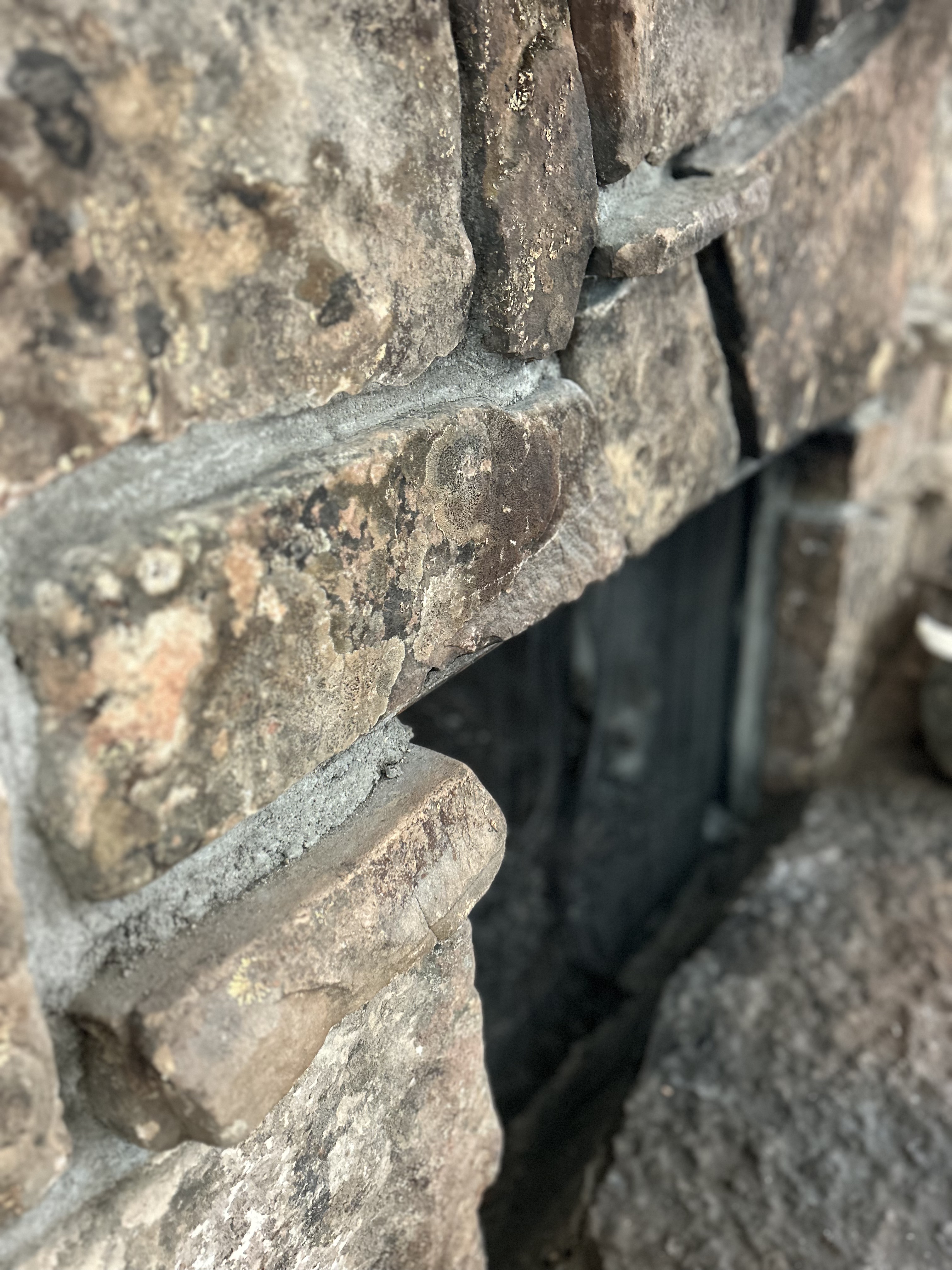
Stone fireplaces, dark wood floors, wool rugs, leather upholstery, and aged brass fixtures create a tactile atmosphere that synthetic materials rarely achieve. These elements add depth and warmth without needing decorative excess.
Natural materials also age beautifully in mountain environments. Wood gains character. Leather softens. Stone develops subtle variation over time.
Rather than feeling staged, these materials allow the house to grow into itself.

Lighting plays a surprisingly large role in whether a mountain home feels cozy or cold.
Many homes rely too heavily on recessed ceiling lights, which can make rooms feel bright but oddly flat. Warmth tends to come from layered lighting instead.
Table lamps, wall sconces, and shaded floor lamps introduce pools of softer light throughout the room. In the evening, these smaller sources of illumination create a sense of intimacy that overhead lighting alone cannot achieve.
In mountain homes, lighting should feel atmospheric rather than purely functional.
One of the easiest ways to make a space feel inviting is through texture.
Rather than adding more decorative objects, many well-designed mountain interiors rely on layered textiles and surfaces:
These materials catch light differently throughout the day and introduce subtle visual richness.
Texture allows a room to feel full without becoming cluttered.


Mountain homes can easily slip into what might be called theatrical rustic design.
Antlers, skis mounted on walls, faux barnwood panels, and overly literal Western décor often appear together in ways that feel more like a themed lodge than a lived-in home.
The most compelling mountain interiors tend to use rustic elements sparingly.
A single reclaimed beam, an antique saddle, or a vintage landscape painting can hint at Western heritage without overwhelming the room. When these pieces appear thoughtfully rather than everywhere at once, they carry much more weight.
Many mountain homes feature large great rooms with tall ceilings and expansive windows.
While dramatic, these spaces can sometimes feel less comfortable than expected.
The key is creating smaller areas within the larger room — places where people naturally gather. Seating arrangements around a fireplace, reading chairs near a window, or a quiet corner anchored by a floor lamp can help break down the scale of the room.
These smaller moments give the home a sense of intimacy without sacrificing the openness of mountain architecture.
One of the most overlooked contributors to a cozy mountain home is the landscape itself.
Large windows framing snow-covered forests, distant ridgelines, or evening alpenglow bring a natural sense of calm into the house.
When interiors remain restrained, the view becomes part of the atmosphere of the room.
The mountains provide the drama. The interior simply supports it.
The most successful mountain homes rarely feel heavily decorated.
Instead, they rely on a combination of warm materials, soft lighting, and thoughtful layering to create spaces that feel comfortable without becoming overly rustic.
When those elements come together, the house begins to feel less like a ski lodge and more like something deeper — a home that belongs to the mountains rather than trying to imitate them.
And in Colorado’s mountain towns, that sense of belonging is often what makes a home truly feel warm.
— Deco Vaquero